Mars: The Act That Changes Things
Some evenings, you are completely worn out, yet the one thing that mattered has barely moved forward. You have answered messages, discussed deadlines, hunted for papers and started again several times. The whole day has been full. But the phone call all this was supposed to lead to still has not been made.
Then you pick up the phone. Dial the number. Hear someone answer and ask the question you have been avoiding all week. The conversation may be very short. The answer may be no. Even so, there is now something to work with: instead of guesswork, a reply from another person.
This is how we recognise Mars in everyday life. We tend to associate it with strength, courage, conflict and the ability to get what we want. Yet action can be much quieter than those words suggest. Turning a valve. Mending a clasp. Ending a conversation that has long been hurtful. Running a first meeting while your voice still shakes.
In each case, an act comes between what we want and what is happening. Something has been done, and the situation has changed. This is the part of life we will call Mars: how we set about doing something, and what our action manages to change.
From the god of war to the person at the workbench
The reddish star in the sky was named after the Roman god of war. For the Greeks, Ares embodied the fury of battle. In the old stories, he rushes into combat, threatens, suffers defeat and returns to the fight. His strength makes him neither infallible nor invincible. The image already holds a distinction we easily forget: the resolve to act does not promise a good outcome.
The Roman Mars held a different place in the life of his people. Father of Romulus, protector and god of military strength, he belonged to the story of the city itself. Alongside the urge to act came duty, service and a shared cause. Someone carrying a weapon might defend an order or destroy it. The weapon itself could not say why it had been taken up.
Ancient astrology explained Mars through the qualities of the natural world. Ptolemy described it as drying and burning. Heat, injury, collision: in that world, Mars could readily become a sign of coming misfortune. This was the outlook of people whose lives could literally be changed by war or fire in a single day.
Gradually, though, a craftsperson becomes more clearly visible beside the warrior. In the seventeenth century, William Lilly included soldiers, surgeons, smiths and cooks among the occupations associated with Mars. Battlefield, operating room, forge and kitchen found themselves side by side. In each, a person works on material: cutting, heating, joining, changing its state.
Here we can recognise Mars without any hostility at all. A smith strikes iron to make something useful. A cook cuts bread to feed the guests. The same decisiveness can serve different intentions, and the same job may call for a forceful blow at one moment and an almost imperceptible movement at another.
Modern astrological descriptions have added initiative, self-assertion, competition, anger and sexual desire. We want to come closer, achieve something, protect someone, stand our ground. These feelings can indeed bring us to the point of action. But wanting to come closer may remain nothing more than a wish. Anger can fill an entire evening in which nobody even tries to address the cause of the quarrel.
The old god of war helps us notice the moment we meet resistance in the world. But the person at the workbench has just as much to tell us. They know that pressure is useful while it helps the work. Beyond a certain point, the piece breaks. Sometimes the most skilful act is to ease your grip in time.
The Tower and a small change
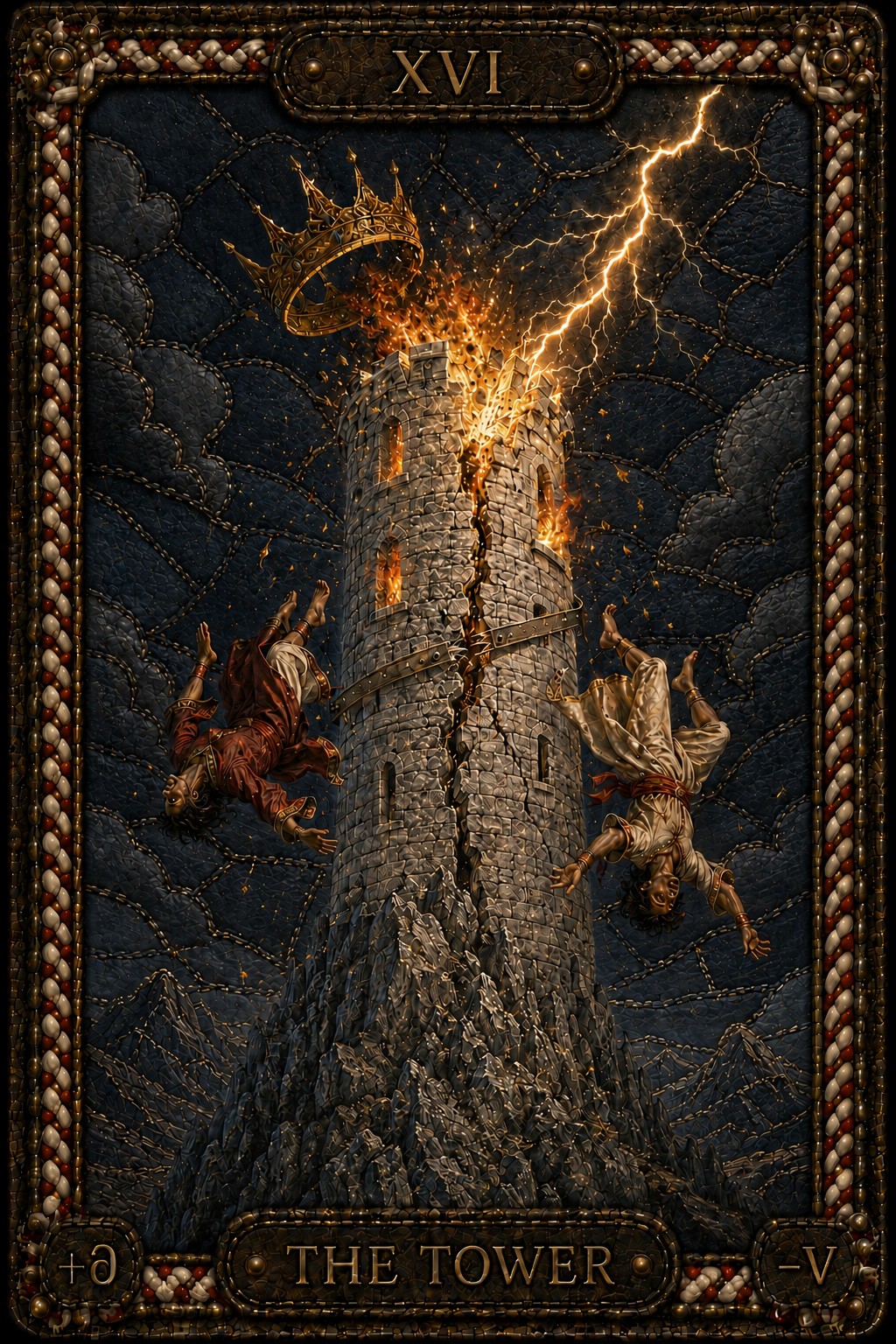
In our Tarot system, Mars corresponds to the Tower. Lightning strikes the summit, the crown falls, and what stood still is disturbed. The image seems far too dramatic for a mended clasp or a calm phone call.
Yet they have something in common. Before the strike, the tower stood. Afterwards, people have to deal with what has happened. An act, too, separates what might still happen from what has already happened.
There need be no catastrophe. For weeks, neighbours have been planning to open a passage between two courtyards. At last they remove an unnecessary barrier, clear a path, and the first person walks straight through. The old detour is no longer necessary. The change is small, but it is already part of their shared life.
The Tower is especially useful when decisiveness has become a performance for an audience. We can promise fiercely that tomorrow everything will be different. We can send angry messages, make demands and talk ourselves into believing we are ready. Then wake up to find the same door still closed.
Action does not, however, have to be irreversible. A door can be opened and closed again; an object can be taken apart and reassembled. The Tower makes change visible. It does not demand that we destroy every possibility of going back.
Nor must an act be beneficial. A dressmaker really did cut the fabric, but got the measurements wrong. A change took place, although the work was spoiled. That is why it helps to keep two questions together: “What did I do?” and “What came of it?” Otherwise, effort is easily mistaken for success, and an unsuccessful attempt for no action at all.
If the dressmaker meant to produce a piece of a particular size, that task remains unfinished. The cut has been made and the fabric has changed, but the piece they needed is not there. This is why it helps to name the intended result before starting work. Otherwise, after any attempt, we can say “At least something happened” and quietly replace what we set out to do with whatever happened to result.
The same is true of the phone call at the beginning of our story. If the person wanted at last to ask a question and hear an answer, a refusal completes that step. If they wanted agreement, the refusal leaves that task open. One conversation can achieve one thing and fail to achieve another. We can acknowledge what was done without losing sight of what has not yet worked.
Plenty of energy, but nothing moves
In Bioastrology 2.0, Pavel Andreev describes Mars as the part that carries things out: intention finds expression in a concrete act. Its expressions include calm, constructive work. This matters. Mars does not have to look, every day, like someone ready to break through a wall.
In Astrology 2.0, Andreev looks at what helps people get down to work. One person finds it easier to begin in competition, another in comfortable surroundings, a third alongside a partner, and a fourth when the task draws them in like a game. The differences between ways of acting are clear here: the same instruction to “pull yourself together” is far from helpful to everyone.
But the conditions for beginning are not the beginning itself. You can arrange a wonderful workspace and spend all day admiring it. You can find inspiring people and discuss a future project for months. Preparation becomes useful when you can see, beyond it, the next manageable thing to do.
Imagine a writing workshop. Its organisers already have a programme, a reading list and an attractive page inviting people to join. They are still arguing about whether the idea is good enough. At some point, one of them asks: what will people actually do at the first meeting? Write a short story? Read one scene to each other? Try opening with dialogue?
The answer brings the beginning closer. Now they can prepare an exercise, open the door and run the meeting. The participants will probably bring surprises, and much will need to change. But the workshop will have had its first evening.
Here Mars works alongside the other planets. Mercury helps people understand the task. Venus helps them decide what matters enough to preserve in the work. The Moon helps them sense how the group is responding today. Jupiter concerns how far the workshops might eventually reach. And a meeting that has actually taken place is an accomplishment in its own right, even if none of the other questions has been fully settled.
We see the same distinction in the story of Marina, the pianist in Where Astrology Comes From. After her injury, she can still give a concert, but each performance costs her more. The evening has taken place, and continuing her old life has become harder at the same time. Doing something once and being able to repeat it for years are not the same thing.
Mars therefore has its own measure. Sometimes one step is enough. Sometimes a large ambition calls for hundreds of actions. Naming each step for what it is can be more useful than demanding that we change our whole life in a single leap.
Twelve signs, twelve ways of getting to work
In every sign, Mars concerns action. What differs is what we take on. In one place we need to begin; in another, to make what we have done secure. Sometimes we need to reach another person; sometimes, to end a tie that should no longer govern our lives.
These differences are easier to see in small stories. People and activities familiar from the other articles will return: a workshop, bread, a museum, a library, music. The same life lets us see different things, depending on the question we bring to it.
Mars in Aries
Asya and Kirill are preparing the first meeting of a writing workshop. Almost everything is ready. All they lack is the confidence that anyone will come, and that they will be able to run it well.
The day before, they are tempted to postpone: think the programme through a little more, improve the invitation, wait for a better week. But at the appointed time, Asya opens the door. Four people arrive. She asks them to write a few lines about a place they remember from childhood. Three minutes later, someone starts reading aloud.
From that moment, the workshop has begun. It is a long way from becoming a large school, and nobody has promised a second meeting yet. But people are already doing what they came together to do.
In Aries, we recognise Mars in the first step that moves something beyond waiting. Hence the familiar words about initiative and courage. Sometimes courage looks remarkably ordinary: starting with four participants when you dreamed of twenty, and not cancelling a real meeting because it does not match the lovely picture in your head.
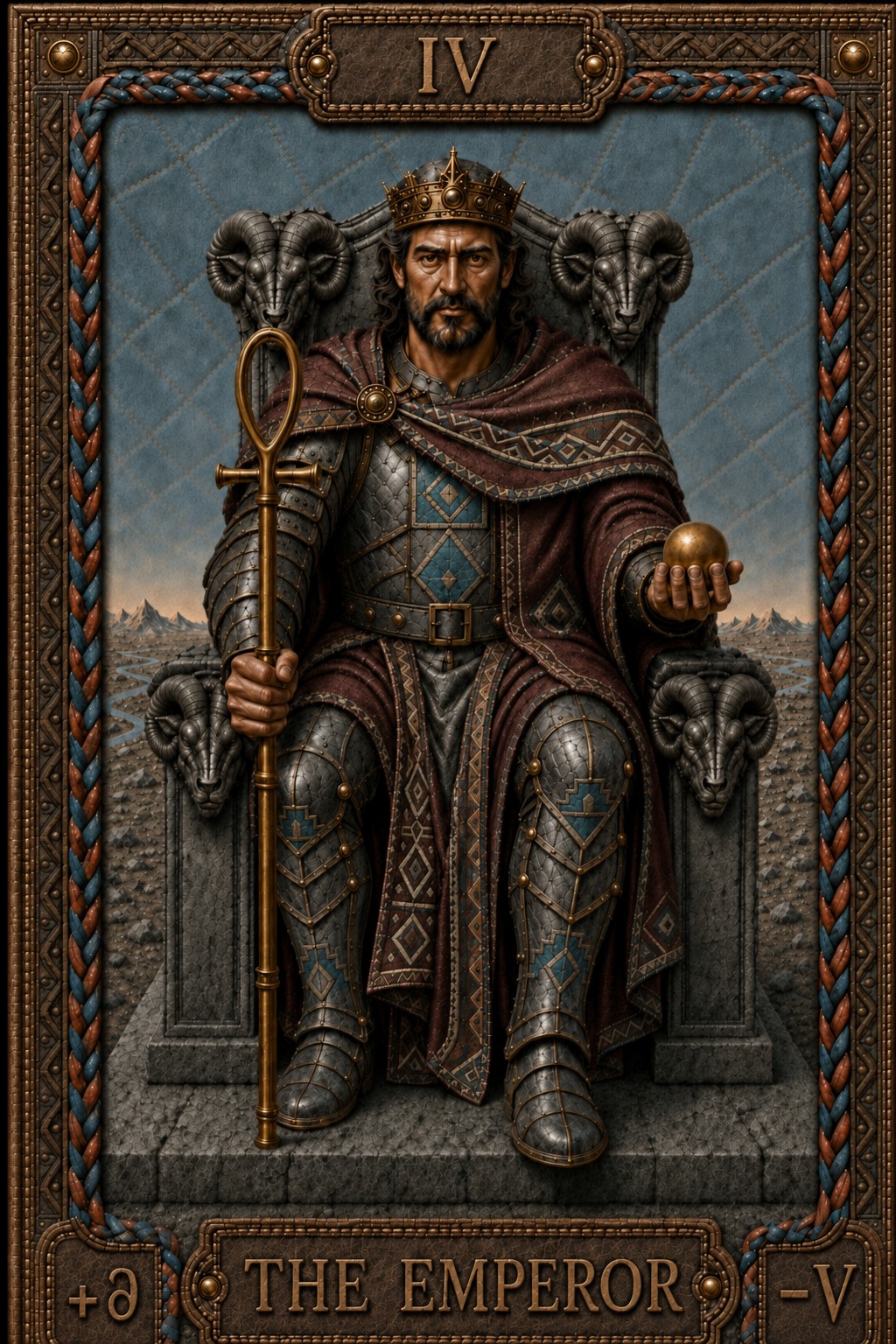
The Emperor, the card of Aries, helps us feel this definiteness. Here is the place, here are the people, here is what we are beginning. Much will change, but there is already a starting point.
The initial surge of enthusiasm may come earlier and fade earlier. Asya is still nervous, stumbling over words and feeling her way with the group. The beginning happened with her anxiety still there. She did not first have to become fearless.
Mars in Taurus
A chair leg has come loose. The chair still stands, and you can even sit on it if you keep still. Its owner carefully draws it up to the table each time and warns the guests.
A craftsperson takes the joint apart, cleans it, fits the pieces and puts it back together. Once the necessary time has passed, the chair returns to the kitchen. Now you can simply sit down.
Mars in Taurus is clear in this change. What has been made gains strength. The object begins to support the use it was intended for and no longer needs constant watching.
In the same way, a baker makes a successful method of breadmaking dependable, a gardener strengthens the support beneath a heavy branch, and a musician practises a technique until their hands can rely on it. What matters here is a result that holds. Fussing around something unreliable does not make it reliable.
The traditional patience and persistence of Taurus become easier to understand through this kind of work. Sometimes you need to work slowly, let something dry, check a joint and come back to it. Pressing on a wobbly leg for hours would be a very different kind of persistence.
Opposite Taurus stands Scorpio. One act strengthens what we can lean on; another ends a tie we need to leave behind. To act precisely, we have to distinguish these tasks: what are we still repairing, and what are we merely keeping going through endless effort?
Mars in Gemini
A translator has received a play, but several scenes raise questions. The author’s email address appears on an old website. The first message bounces back; the second goes unanswered. The work stalls.
Through the publisher, the translator finds a current contact. The author replies and suggests a call. For the first time, there is a chance to ask a question and hear one in return.
Here Mars acts between separate people. It helps someone reach out in a way that gets through and makes a reply possible. Sometimes that takes a long search. Sometimes it means walking over to the person standing at the other end of the room.
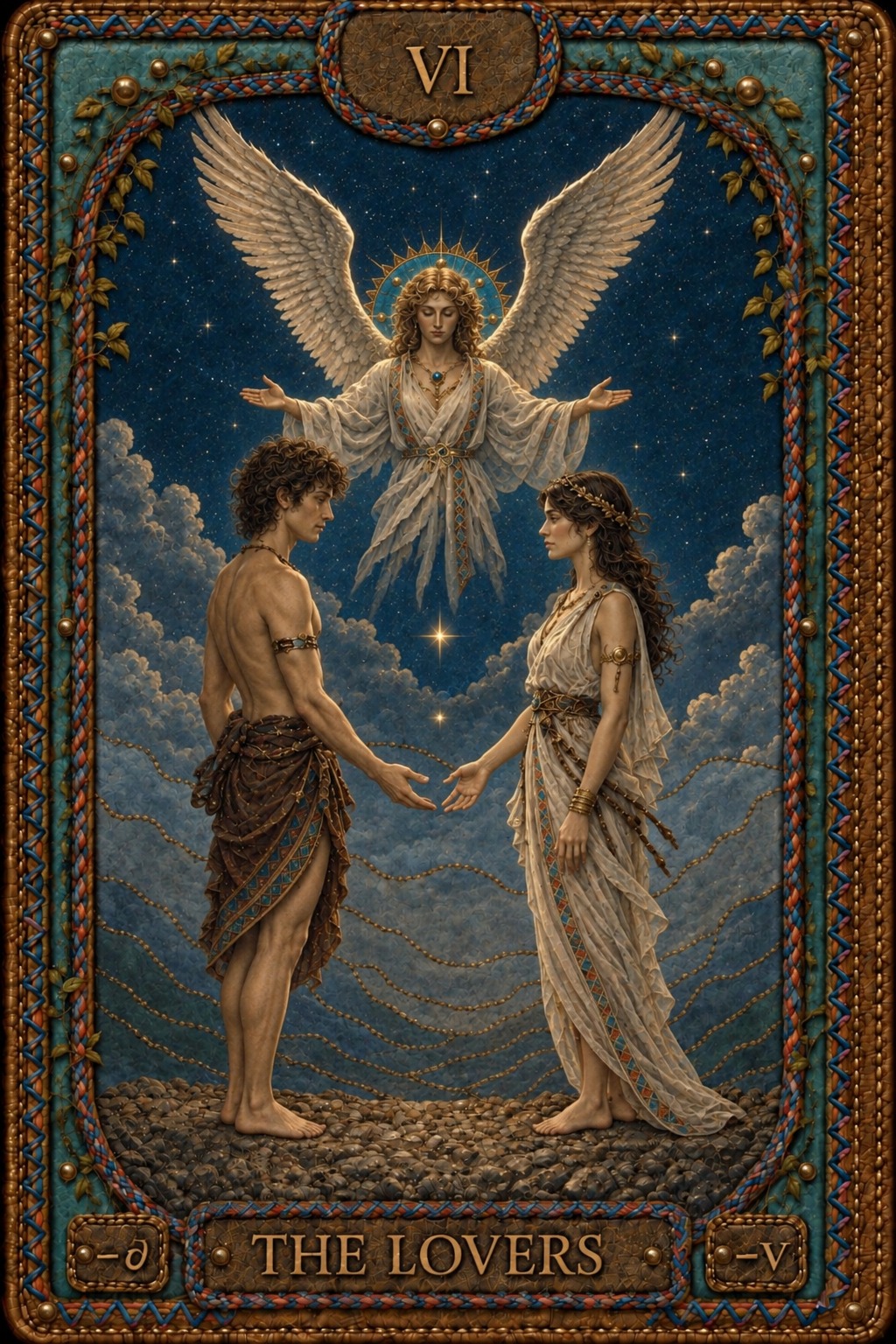
The Lovers reminds us of an encounter. Even the most intelligent conversation begins with its participants gaining access to each other. You can know everything about someone’s books and never once speak to their author.
Gemini is often associated with ease in meeting people and quickness of speech. In our scene, these qualities find their meaning in an act: the two people can now talk. Whether they will understand each other, whether the author will agree to the translation, whether the tone of the play can be preserved — those questions still lie ahead.
That is precisely why contact should not be confused with understanding. Getting a call through can be difficult and important in its own right. But after “hello”, Mercury’s work has only gained a new opening.
Mars in Cancer
A grandmother comes home after an operation. Everyone promises to help. On the first day, three relatives arrive at once, bring groceries and sit in the kitchen for a long time. By the following evening, it turns out that nobody can drop in.
Her daughter calls the others. They agree who will bring the shopping, who will keep her company in the evening and who will drive her to an appointment. The next day, her son arrives with groceries, her granddaughter comes after class, and her daughter can finally finish her own work without worrying.
The help has become a shared effort. Before, everyone meant well; now they support one another in the same undertaking.
This is one way to see Mars in Cancer. It brings participation into everyday life: drawing people in, bringing them together and allowing them to share what has so far been one person’s responsibility. It can happen in a family, a team or a group of neighbours — wherever a real “we” comes into being.
Familiar interpretations speak of protecting loved ones and acting from feeling. They become clearer when we can see who actually received help. Strong feelings about a grandmother do not, by themselves, bring her groceries. Simply arriving with the bags can sometimes express involvement more fully than a long conversation.
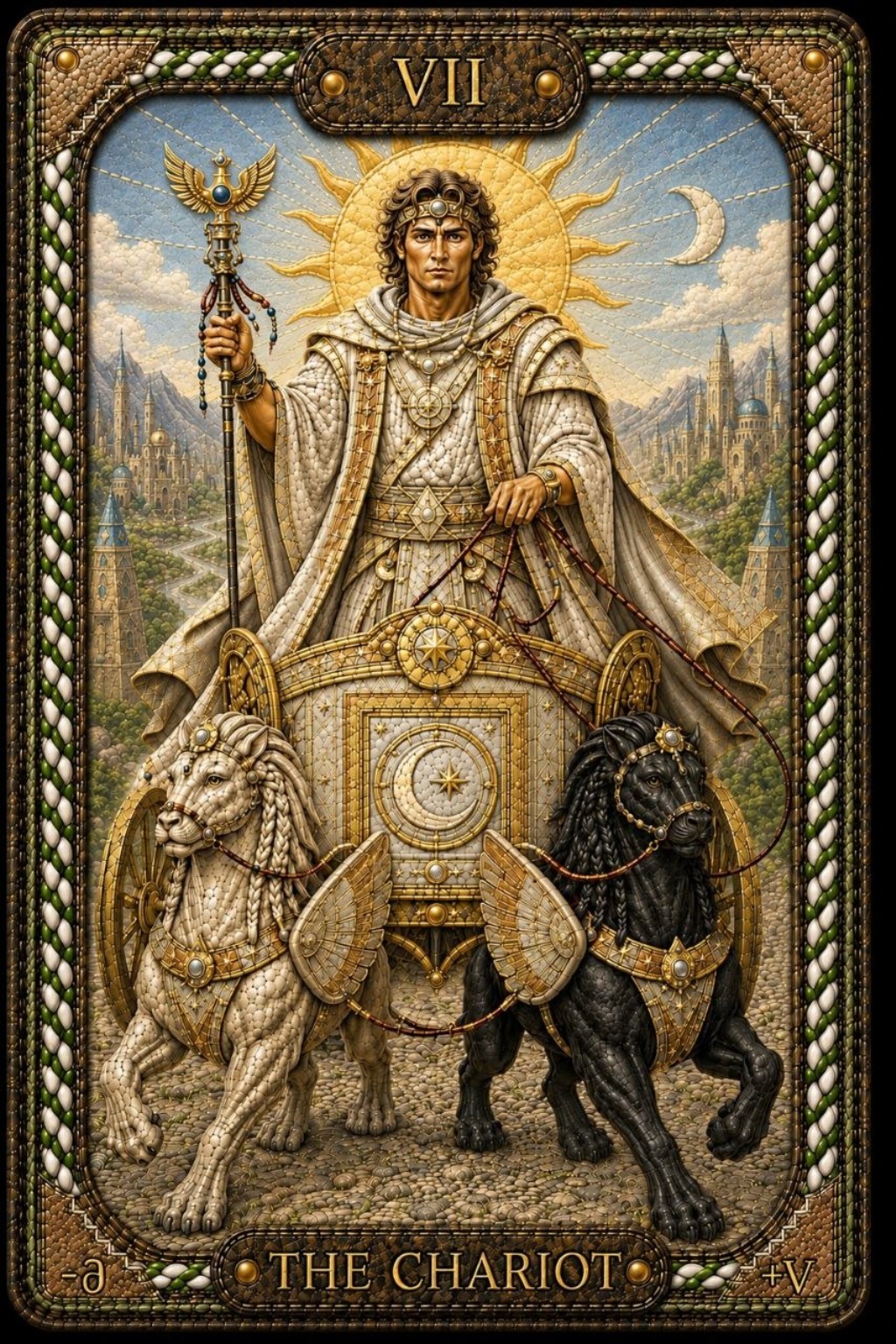
In the Chariot, the card of Cancer, different forces join in one movement. The family still has to settle into a new way of living, notice tiredness and learn to ask without embarrassment. We will hear the Moon in those changes. But today, the grandmother already has someone to open the door to.
Mars in Leo
Egor makes lamps from folded paper. Dozens of experiments lie around his workshop: some look too much like other people’s work, while others are beautiful only in a certain light. A few have finally turned out as he wanted.

He could keep them on the table for a long time, show friends photographs and talk about a future collection. Instead, Egor finishes three lamps, invites people he knows to the workshop and switches them on that evening.
He has put forward something of his own. There is no promise that everyone will like it and no guarantee of sales. Other people can now see what, until then, existed chiefly in his own work.
We recognise Mars in Leo in this act. A person claims the right to do something in their own way and present what they have made. It might be a drawing, a song or their own answer to a difficult problem. An audience is not essential: sometimes it is enough to stop remaking your work for someone else’s imagined approval and finish it as you think it should be.
Hence Leo’s closeness to the stage, creativity and the courage to express yourself. But volume does not create authorship. Someone else’s manner remains someone else’s, however forcefully it is presented.
Strength, the card of Leo, lets us see a person’s own movement brought together. Egor may feel shy and speak more softly than usual. For now, the three lamps he has switched on speak for him.
Egor’s story is worth pausing over for another distinction. Something of his own has already emerged from his work with light and paper. Now he brings the chosen pieces to the point where they can be switched on and seen. The Sun helps us ask what in this work came from Egor himself. Mars asks what he actually carried out.
Another craftsperson could build a lamp precisely to his drawing. The work would be done, but the way of using light that Egor found would not thereby become the maker’s discovery. Egor, for his part, could leave a beautiful idea among the trials on his table and never finish the chosen series. Authorship and execution often belong to one person. We can still see what each contributes.
Mars in Virgo
An exhibition offers a detailed account of a painting, but a blind visitor asks how its main figures are arranged. Staff describe the clothes, colours and expressions. He listens carefully, then returns to his question.
The museum staff realise that the long description still does not help him picture the composition. They make a raised diagram. At the next meeting, the visitor explores it with his hands, relates it to the account and begins asking different questions.
Mars in Virgo is visible in a correction that addresses the difficulty in this particular case. They could have added another ten pages of text. What was needed here was a different, small action.
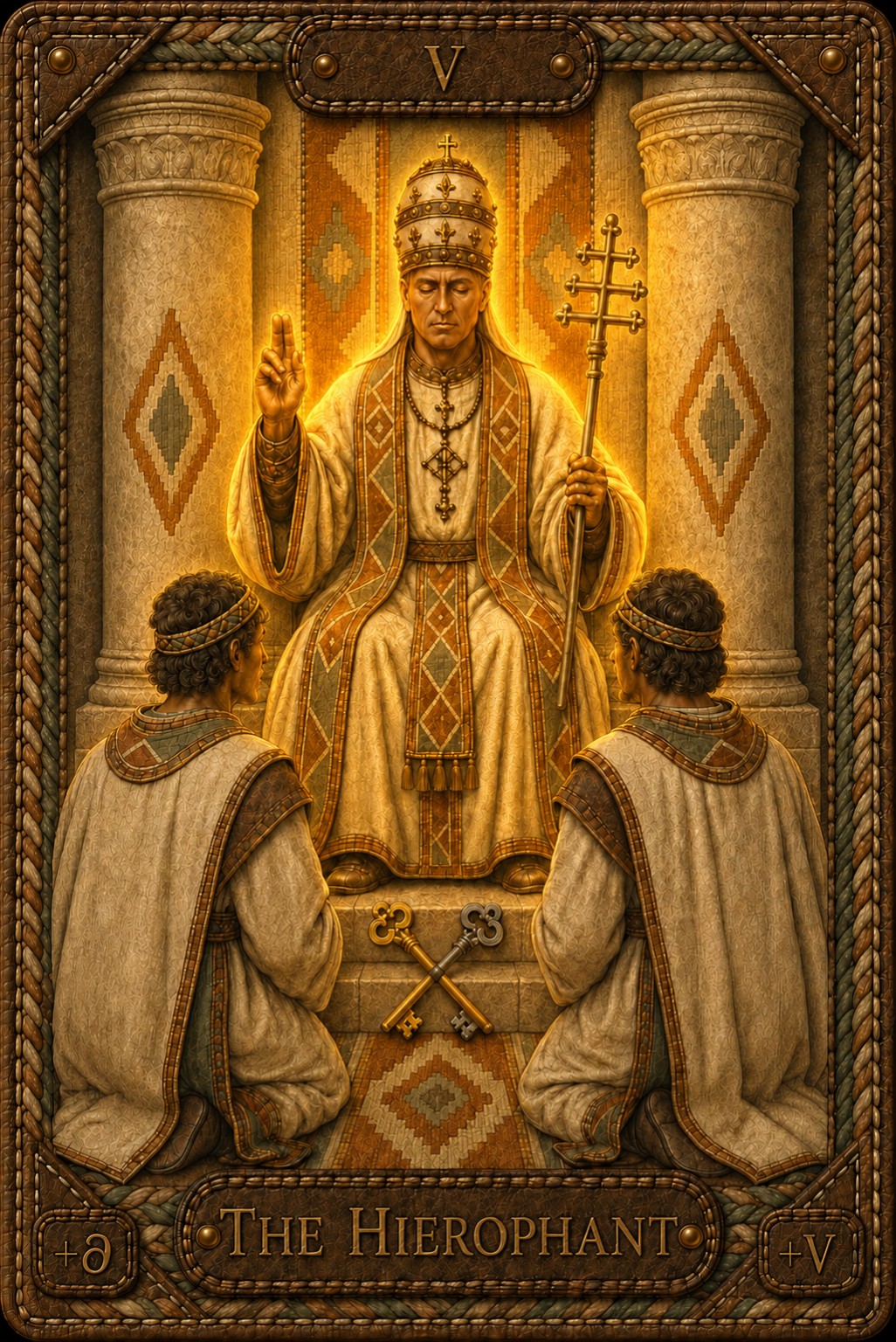
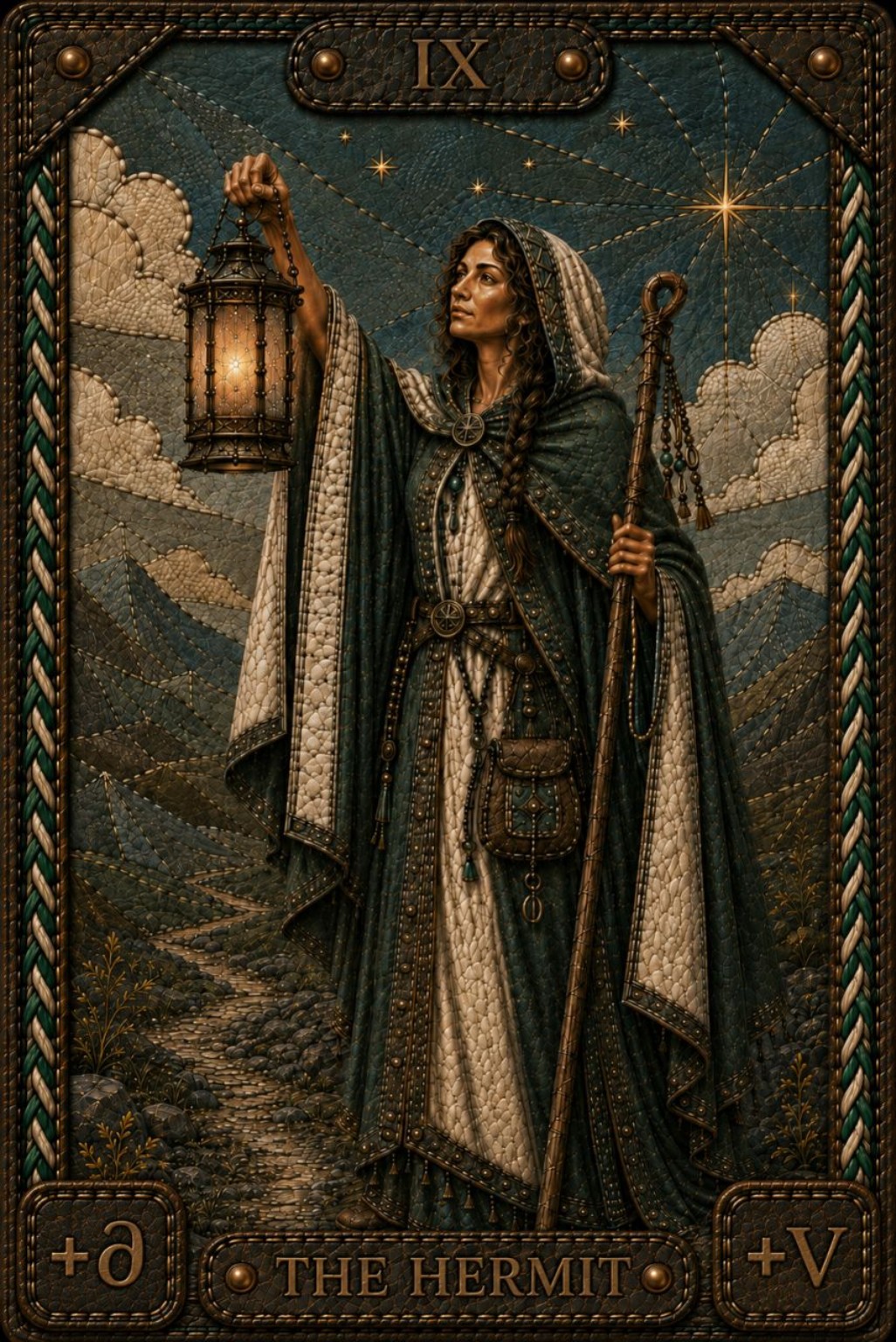
Familiar descriptions bring together precision, technique, diligence and attention to detail. The Hermit, the card of Virgo, seems to bring the light closer: what is getting in the way here, exactly? What needs to change so the work can move forward?
Virgo does not, however, have to keep repairing what is already broken. Fitting a new object to a person, adapting an exercise for this group, finishing a detail that does not yet work — all show the same attention to a particular task.
Mercury helped them understand the difficulty. But once it had been explained, someone still had to make the diagram and put it into the visitor’s hands. Mars works in that simple distance between “we know what is missing” and “now you can try”.
Even a pause in the commentary can be the action needed, if the intention is to give the visitor time to explore the diagram undisturbed. When we look at the Moon, we ask how the guide notices the person and adjusts a familiar response. When we look at Mars, we ask what was actually done: the commentary stopped, the diagram was provided, an obstacle was removed. One movement can be part of both. Awareness does not separate them. A person can think carefully about their response, and they can carry out a familiar action with hardly a thought.
Mars in Libra
Two practitioners share a room. One sees visitors; the other needs quiet for recording. Each has a reasonable case, and both try to be polite. Yet several times a week they get in each other’s way and apologise again.
At last they agree on days. They move some meetings, change client bookings and mark the times in a shared calendar. The following Tuesday, one sees a visitor in peace while the other does work that does not require silence.
The decision has become part of their relationship. It is visible in what they can now do, what they can rely on and what each is responsible for.
Mars in Libra often looks unfamiliar beside the image of a warrior. Here you have to consider the other side, find a workable balance and sometimes hold back from applying immediate pressure. Yet making an agreement and beginning to honour it is also a decisive act.
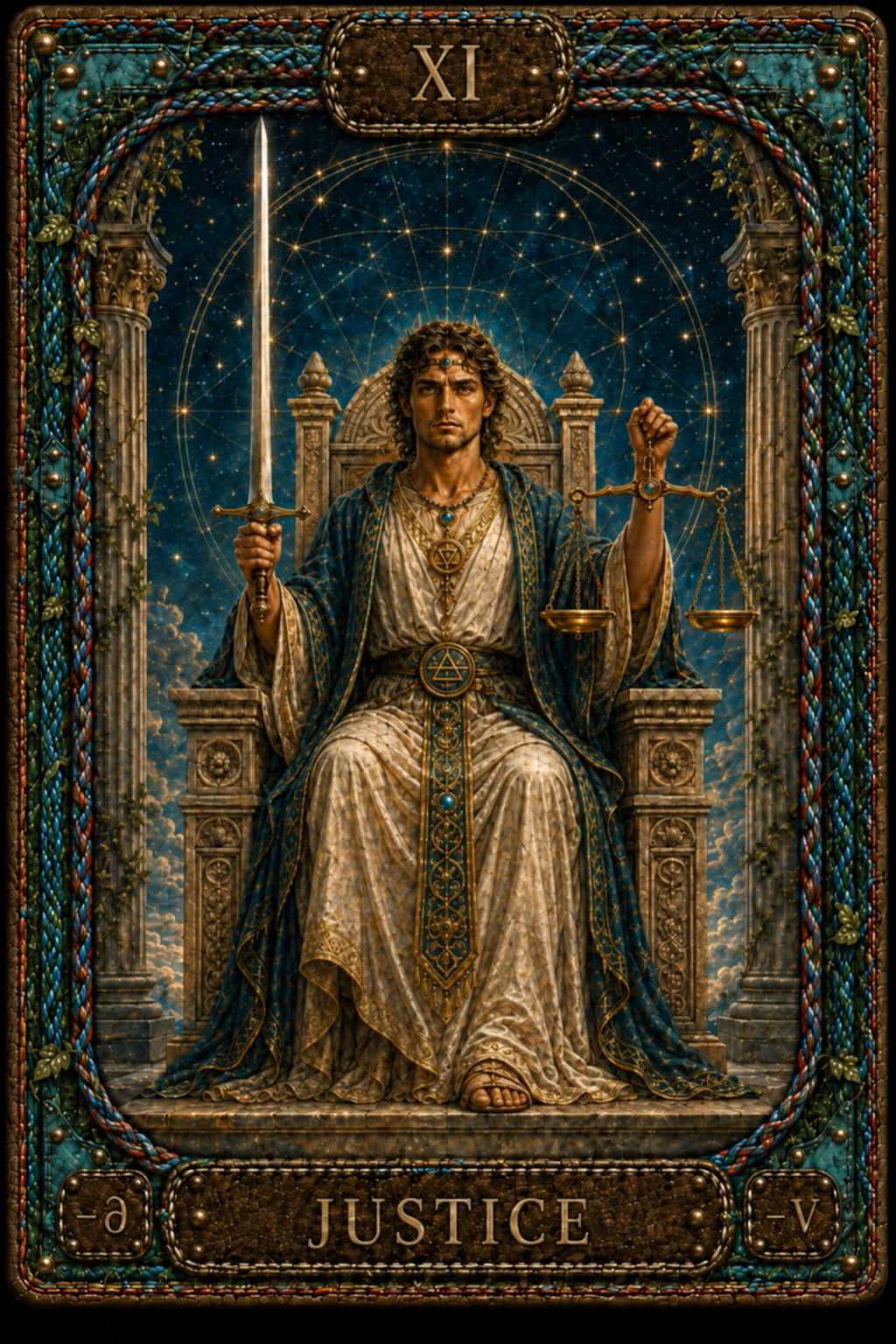
Justice, the card of Libra, keeps both sides in view. A peaceful tone does not itself remove a clash, just as a loud argument does not necessarily bring a solution closer. Action changes the participants’ actual position: turns have been agreed, access has been granted, a promise has been kept.
Aries and Libra reveal two different beginnings. In one, a person takes the first step. In the other, people establish how they will act in relation to each other. Sometimes the bravest step is to stop discussing everyone’s goodwill and make an arrangement for next Tuesday.
Mars in Scorpio
A local newspaper has moved online, but the editorial team still assembles the old print layout every week. It was once required for reporting purposes. Nobody now knows quite whether it is still needed, yet Wednesday after Wednesday disappears into the familiar task.
The editor finds out who uses the layout and what really needs to be kept. The team clarifies the archiving procedure and completes the remaining obligations. The following week, for the first time, they do not assemble the print pages. They spend the day they have gained on a report.
Here action ends something that was still binding people. Saying “we live differently now” was not enough. They had to finish a specific piece of work and remove the requirement that kept bringing it back.
This is how Mars in Scorpio unfolds. It can do more than endure and fight; it can also leave a binding relationship. Close an unnecessary obligation. Stop feeding an old dependency. Remove the cause that makes every new step lead back to the same dead end.
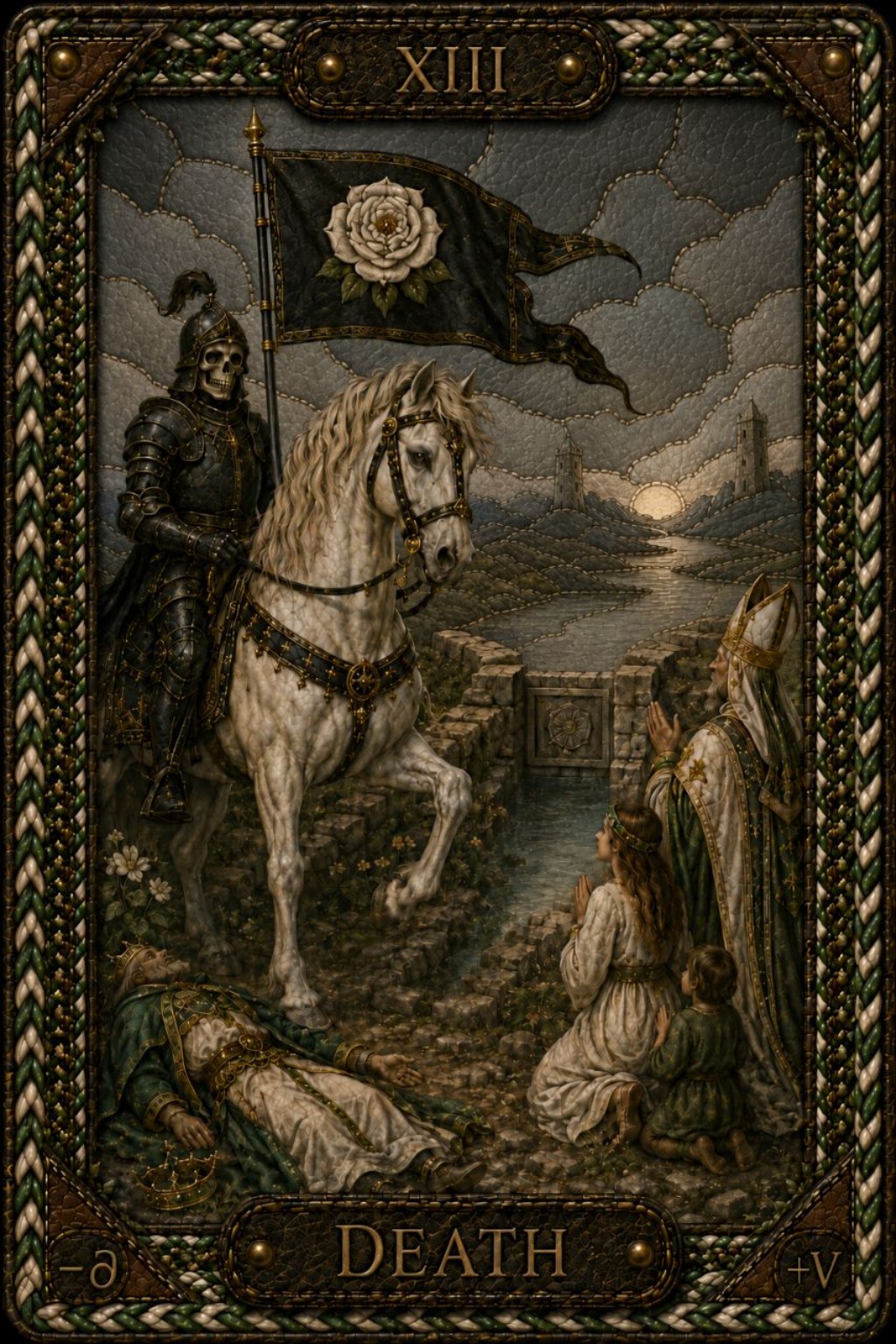
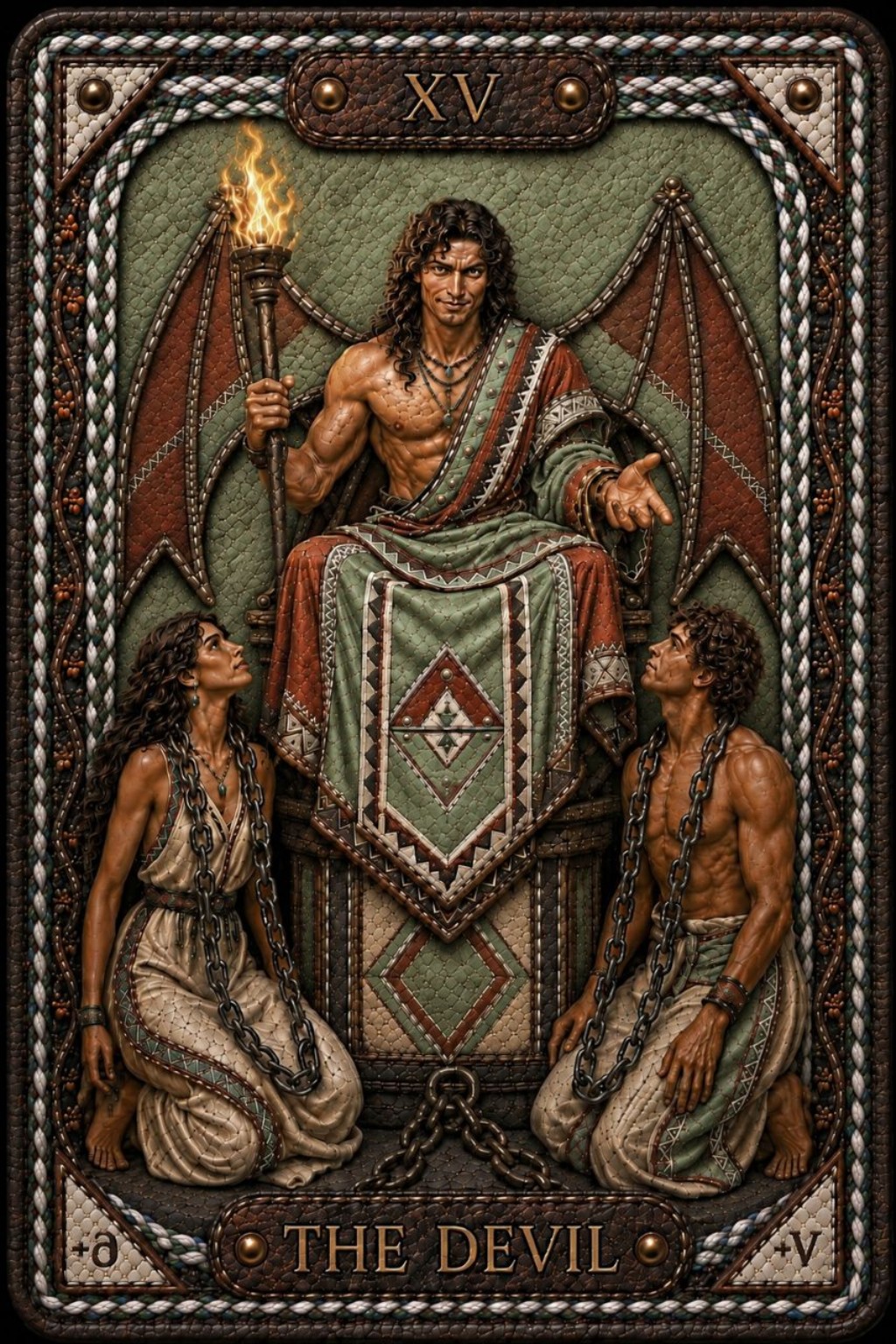
The card of Death makes the ending visible here. But delight in destruction can easily lead us astray. You can delete an archive in anger while leaving in place the obligation that will force you to rebuild it. To become free, you need to act on what is holding you.
The habit may remain afterwards. For several Wednesdays, the editor may still start at the sight of the clock. His inner life will need time. The obligation itself has already ended.
Several planets can be heard in this scene because one decision has changed several things about the work. Mars is visible in the end of a particular procedure: this week, the redundant layout is no longer assembled. Alongside it comes Saturn’s question: which promises have been kept, what still needs to be preserved, and which work is the newsroom no longer responsible for? If there has also been a change in who can demand a report and decide what happens next, Pluto enters the picture. But cancelling one layout need not change the whole arrangement of authority. Each question asks us to look at what actually happened in the newsroom.
Mars in Sagittarius
A group is walking towards a mountain pass. It is still several days away, and today they need to reach a hut beyond the river. In the morning, the task looks modest beside the whole journey. By evening, after a climb and a long detour, the light in the hut window looks like a real achievement.
They have not reached the pass yet. But they have covered a stretch of the route that brings them closer, and this is where they will continue from.
In Sagittarius, action gains a direction. The next stretch matters: where it leads, what it opens up afterwards and how it relates to the reason someone set out.
That makes the familiar talk of great goals, sport and travel easy to recognise. Enthusiasm helps us walk. But dozens of kilometres can take us farther from our destination if we choose the wrong path at a fork.
In Twelve Kinds of What Matters, a similar distinction appears when choosing a road: a good opportunity may lead to a different future. For Mars, the question continues into action. We have chosen a path — which part of it did we travel today?
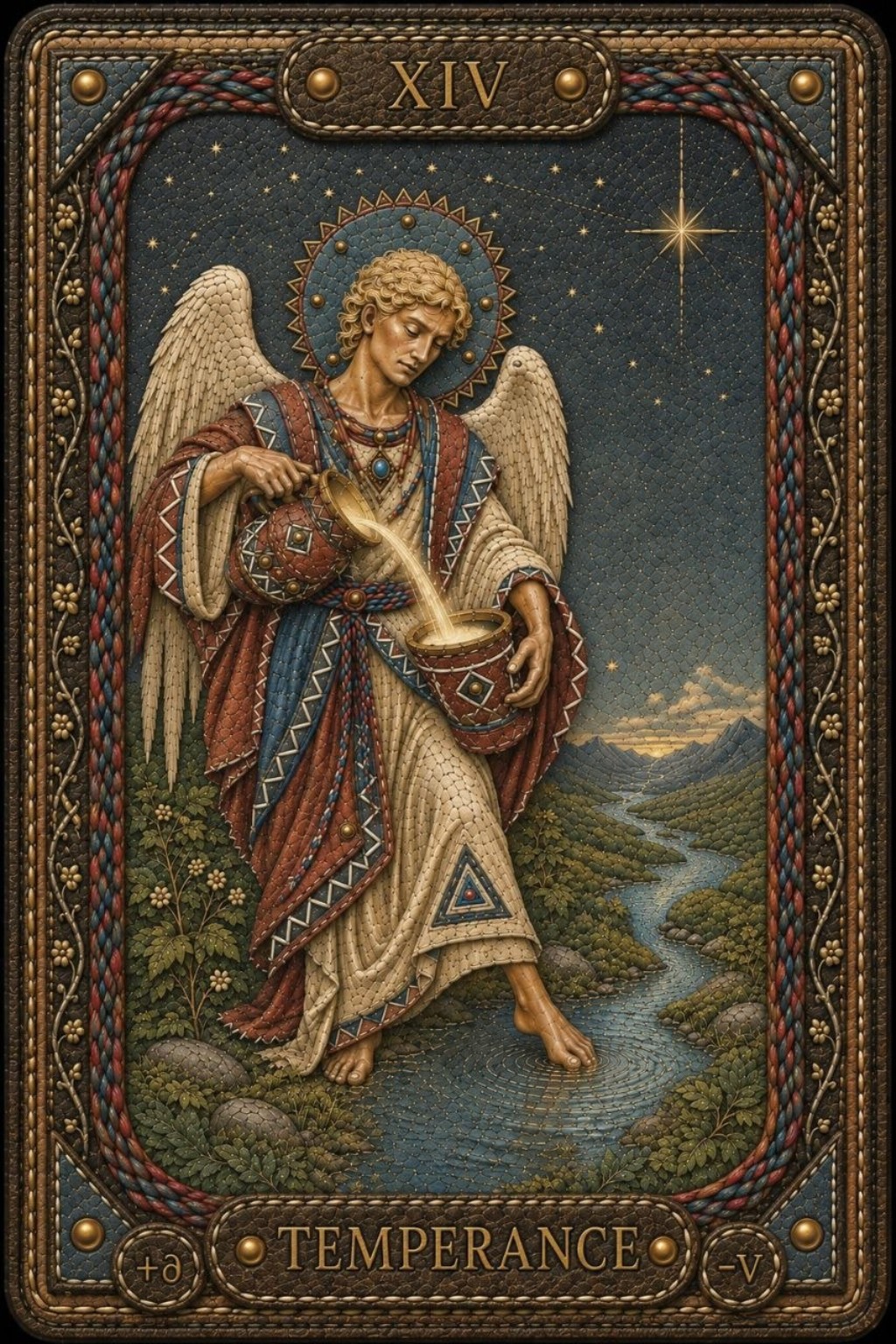
Temperance, the card of Sagittarius, helps us feel a passage in which one movement continues into another. Covering a stretch of the road may mean turning, going back to a fork or changing course. Staying true to a direction takes more attention than stubbornly walking straight ahead.
Mars in Capricorn
In Twelve Kinds of What Matters, a family is adapting a bathroom for Nikolai Petrovich. A beautiful cabinet turns out to be unsuitable: it leaves the passage too narrow. Each item looks good in isolation. Picture the person who will use the room, though, and everything looks different.
Let us continue the scene. The family has chosen a suitable arrangement. Now the tradespeople put everything in place and check the passage, the light switch and the way the door opens. One part turns out to obstruct another, so they move it. The work is finished when the room can be used as intended.
Here Mars brings parts together into a working whole. Buying good things or giving each person a task is not enough. Their work together has to become a practical reality.
The same thing happens in a library with several branches. The books are on the shelves, a vehicle is available, and the staff have arrived for work. Yet a reader still cannot borrow a book from another branch. The arrangement starts working when someone accepts the request, brings the book, lends it out and later returns it to its place.
This makes the usual association between Mars in Capricorn and organisation easier to understand. Discipline is useful when it helps the parts work together. The number of orders given and the sternness of the voice do not, by themselves, connect anything.
Opposite stands Cancer: people join a shared undertaking. Capricorn draws attention to how their efforts, the objects involved and the sequence of steps produce the intended result. Caring relatives can all want the same thing — and still order a cabinet that makes the bathroom unusable.
Mars in Aquarius
Several repair workshops share a principle: a beginner can admit a mistake straight away, get help and take part in putting it right. Newcomers hear about it when they arrive, and it is written up in plain sight.
One day, a trainee damages a part. A senior craftsperson begins to mock them. The manager stops the mockery, looks into what happened without humiliating anyone and helps organise the repair. This time, the promise has survived an encounter with a real person.
We recognise Mars in Aquarius wherever a shared principle is actually put into practice. It no longer depends on whether we like the person, whether they know the boss or whether it is convenient to stand by our own words today.
This is one way to understand the familiar themes of freedom, equality and shared initiatives. Freedom for insiders and a ban for strangers do not yet make a right that belongs to everyone. What matters is the act that gives that right a place precisely when doing so is inconvenient.
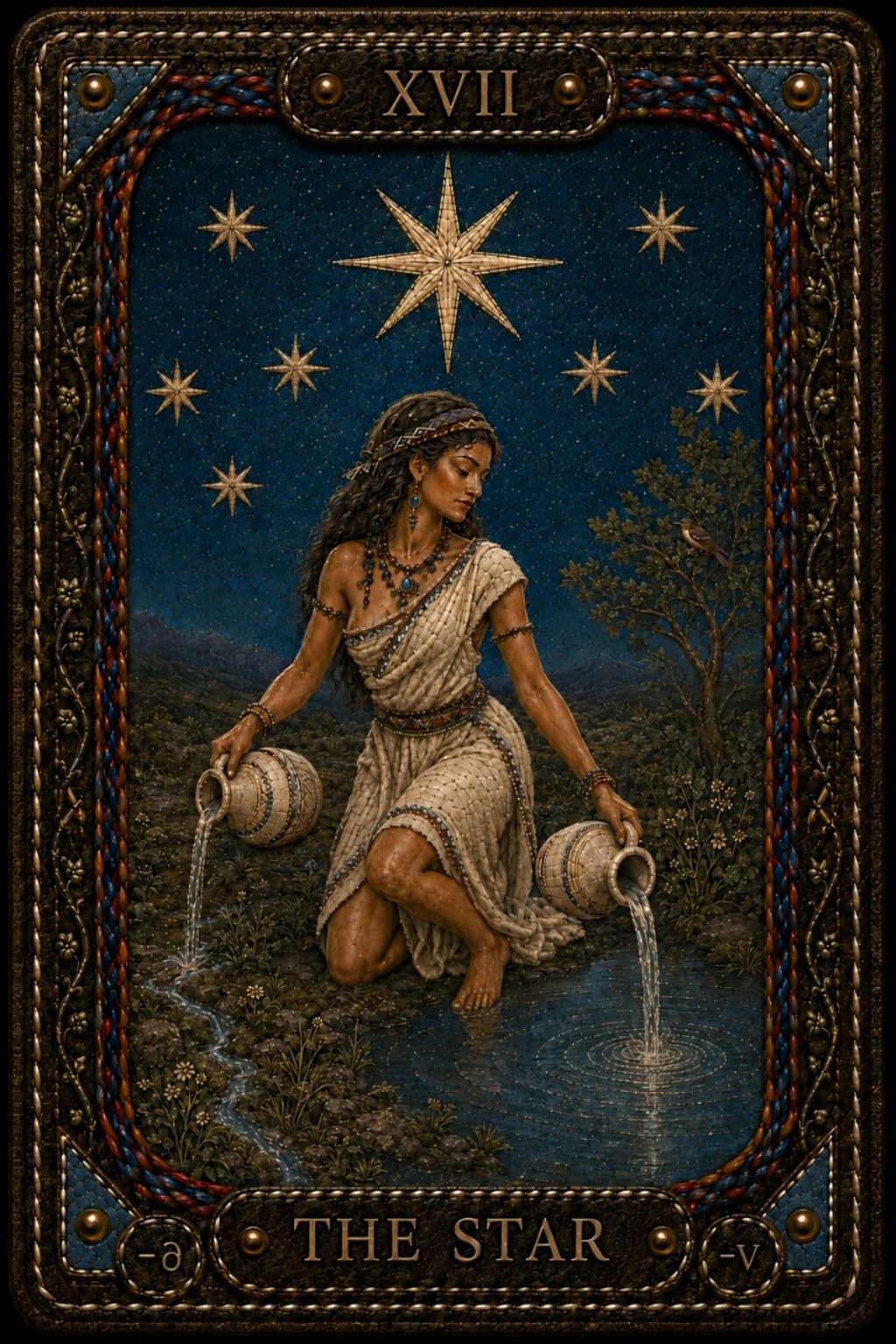
The Star, the card of Aquarius, is visible from different places. People can work differently while still taking their bearings from the same principle. In one workshop, a beginner may need a demonstration; in another, help from a colleague. The gesture need not be identical.
Leo helps a person speak and act in their own name. Aquarius allows something to operate that belongs to no single author or owner. Sometimes that takes very personal courage: stopping a respected craftsperson’s mockery and keeping a promise to a trainee.
Mars in Pisces
Let us return to Marina and imagine how her story might continue. A pupil cannot manage a long musical phrase. Each note comes out, but the melody falls apart as a whole: he keeps stopping where the movement should carry on.
Marina finds an old recording. She plays a short passage, asks him to hear how it moves towards its ending, then invites him to sing it and return to the instrument. After several attempts, he plays the phrase through to the end for the first time.
She used what was available: someone else’s performance, a few sounds and her own ear. A small fragment helped him do what separate instructions for each note had not achieved.
This gives us a way into Mars in Pisces. Sometimes action does not require us to hold the whole thing in front of us. It is enough to find the right image, recording or technique — something through which what we need can enter the work.
Hence the closeness to music, imagination and intuition. But inspiration becomes an act when what has been found is actually used. A recording can sit in an archive for years without helping anyone play.
One successful phrase does not, however, mean that the pupil has mastered the piece or that Marina has found a new life’s work. Something important has already happened; there is no need to make it larger with words. In Virgo, she might have corrected a particular difficulty in his playing. Here, the whole musical movement suggested how to get through it.
A recording can be understood very clearly before the pupil can use it in their playing: the ear already hears what is needed, while the hands cannot yet manage it. A phrase can be played through without making daily practice possible. There can even be a convincing performance that takes the music away from what Marina wanted to carry on within it. It helps, then, to keep this achievement at its actual size: the pupil used what they heard and played the phrase to the end. Understanding, further possibilities and faithfulness to the musical intention remain beside it, each with a question of its own.
The world after the act
After the first session, Asya closes the workshop door. She is tired and unsure whether it went well. But at home she finds a message from a participant: he has finished the scene he started at the meeting.
This is a small consequence of an act. It does not guarantee the workshop’s future, secure its income or free Asya from doubt. There is simply one more written scene in the world that was not there that morning.
Mars brings us back from our general impression of ourselves to what we have done. You can think of yourself as indecisive and still make the call. You can be full of energy and spend a week avoiding the one step that matters. You can begin, strengthen, repair, connect — and sometimes end something that has needed ending for a long time.
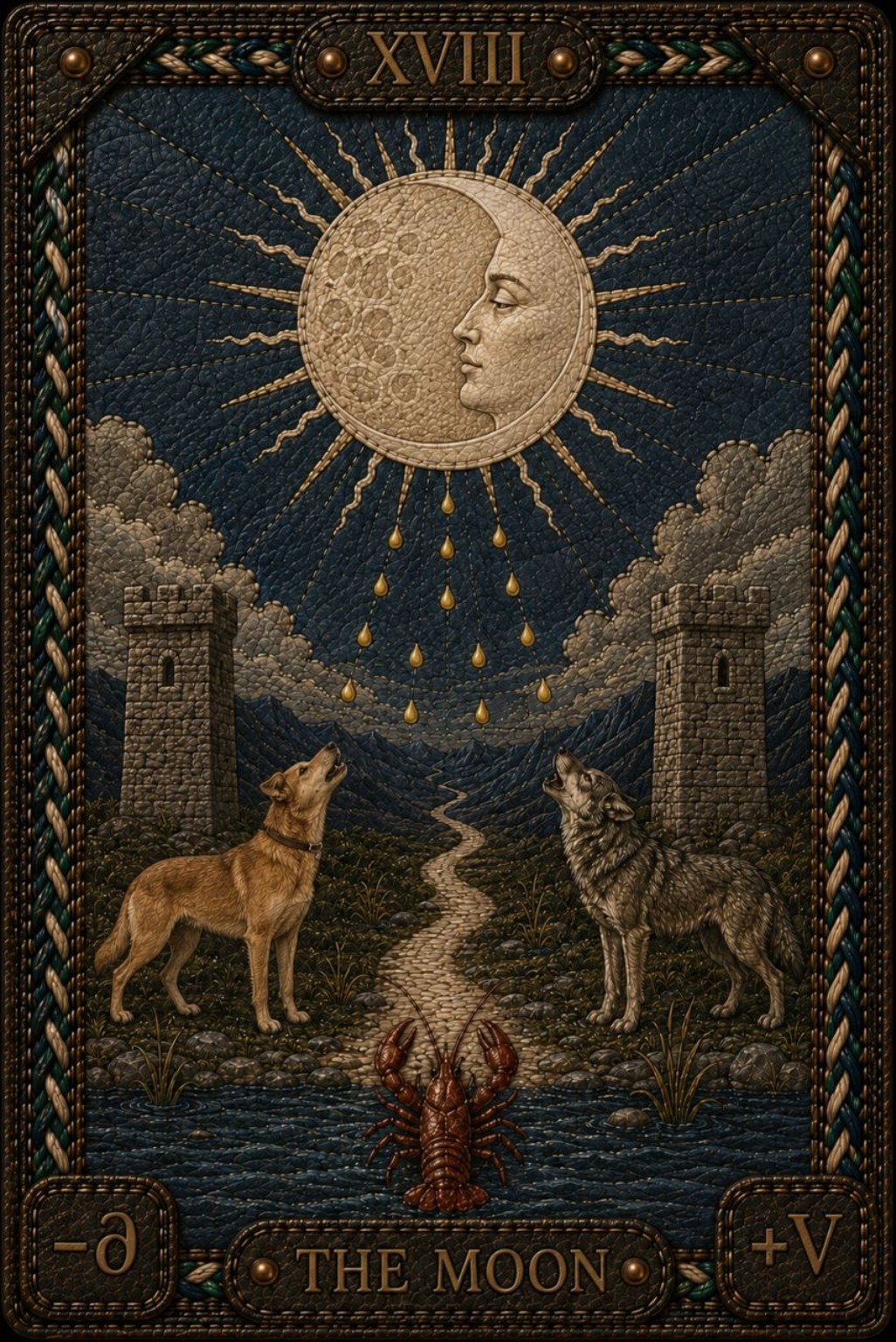
The Moon helps us live within these changes. Venus reminds us what we choose for. Mercury helps us understand what is happening. No single act can contain a whole life, but without acts, much of life remains merely possible.
The Tower makes the difference between “before” and “after” enormous. In our own days, that difference often fits into a much quieter moment. The chair no longer wobbles. The agreement has begun to work. The pupil has played the phrase to the end.
The next step can now begin here.